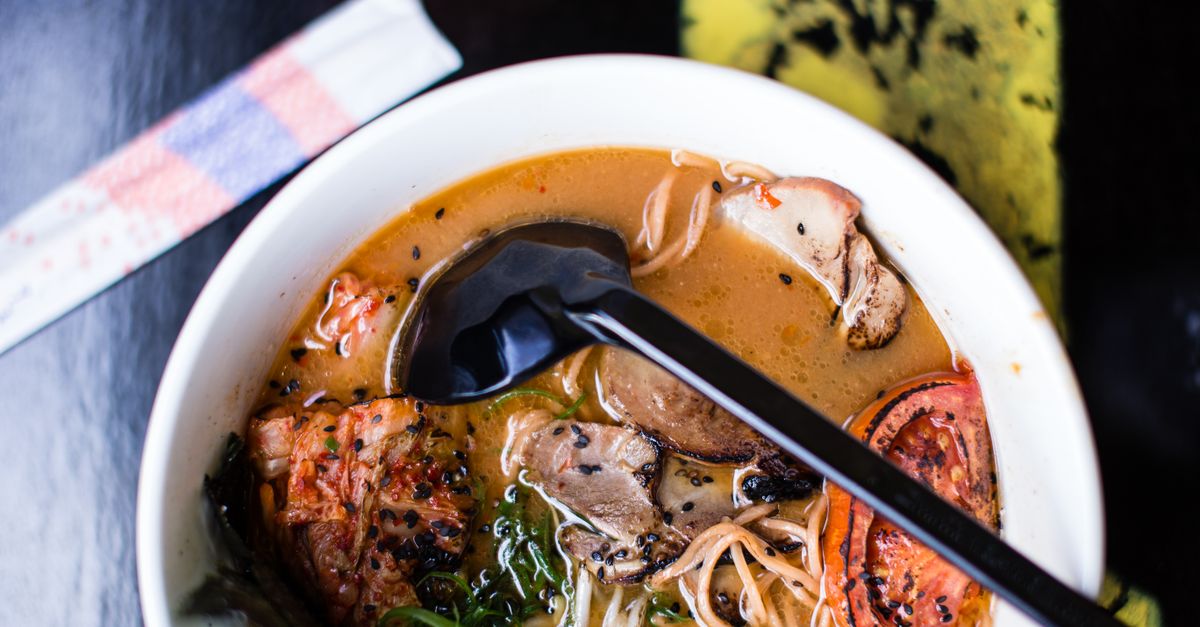
Why Your Homemade Soup is Bland (And The Umami Secrets That Changed Everything For Me)
You’ve spent hours simmering, chopping, and stirring, only to take that first spoonful of homemade soup and be met with… meh. It’s warm, it’s comforting, but it’s just missing something. It lacks that elusive depth, that savory richness that makes you crave another bowl. In my years of financial planning and, surprisingly, an equal number of years perfecting my home cooking, I’ve seen a parallel: surface-level solutions rarely deliver lasting results. Just as a quick budget fix won’t build long-term wealth, a dash of salt and pepper won’t magically transform a bland soup into a masterpiece. The mistake I see most often, and one I made for years, is approaching soup as a simple assembly of ingredients rather than a layered symphony of flavor, particularly when it comes to umami.
I remember countless winter evenings, proudly serving a hearty-looking vegetable soup that, despite its vibrant colors, tasted flat. My family would eat it, but without enthusiasm. I’d try adding more herbs, more salt, even a pinch of sugar – all to no avail. The fundamental building blocks of deep, savory flavor were simply not there. What changed everything for me wasn’t a fancy new ingredient or a complex technique, but a profound understanding of umami and how to intentionally build it into every stage of my soup-making process. This isn’t about adding MSG (though it’s a perfectly valid umami source); it’s about harnessing natural ingredients to create that incredible, satisfying richness.
Key Takeaways
- Achieve deep, complex soup flavor by prioritizing umami-rich ingredients at every stage, not just salt.
- Master the art of browning aromatics and proteins to create foundational flavor compounds.
- Incorporate fermented and aged ingredients like miso, Parmesan rinds, or fish sauce for natural umami boosters.
- Leverage concentrated flavor enhancers like tomato paste and mushroom powder to elevate your soup’s savory profile.
The Fundamental Flaw: Not Building a Flavor Foundation
Most bland soups suffer from a critical oversight: neglecting the foundational flavor layer. Think of it like a house – you wouldn’t build a beautiful roof on a flimsy foundation. Yet, many home cooks toss vegetables and broth into a pot, expecting magic. In my experience, the initial sauté is where a significant portion of your soup’s character is born, and it’s often rushed or done incorrectly. The key here is Maillard reaction, the browning process that creates hundreds of new flavor compounds. This isn’t just about cooking until soft; it’s about developing color and caramelization.
I used to simply soften my onions, carrots, and celery (the holy trinity for many soups) for a few minutes before adding liquid. The result was watery, one-note aromatics. What actually works is patience and a slightly higher heat. Start with a good quality fat (olive oil, butter, or even bacon fat for an extra layer of flavor). Add your diced onions and let them sweat and brown for a good 8-10 minutes, stirring occasionally. Don’t be afraid of a little sticking – those browned bits on the bottom of the pot, known as the fond, are pure gold. Scrape them up as you add subsequent ingredients. Do the same with your carrots and celery, allowing them to soften and develop some color. If you’re adding protein like chicken or beef, sear it fiercely until deeply browned on all sides before adding your aromatics. This isn’t just for texture; it’s for building a robust, savory base that permeates the entire soup. A truly browned onion offers a sweetness and depth that a simply softened one can’t match, and that forms the bedrock of your umami profile.
Overlooking Concentrated Umami Boosters
Once your foundation is laid, the next step is to strategically introduce concentrated sources of umami. Many recipes call for just broth, but broth alone, especially store-bought varieties, can be surprisingly thin. My go-to strategy involves a few power players that elevate the savory intensity without overwhelming other flavors. I wish someone had told me this when I started cooking seriously, because it radically changed my approach.
First, tomato paste. This isn’t just for Italian food. A tablespoon or two, stirred into your browned aromatics and cooked for a minute or two until it darkens slightly and loses its raw edge, adds an incredible, deep sweetness and tang, and a potent dose of umami. It caramelizes, creating new complexities that amplify other flavors. Second, dried mushrooms or mushroom powder. Dried shiitake mushrooms are an umami bomb. I often keep a jar of homemade mushroom powder (simply dried mushrooms pulsed in a spice grinder) on hand. A teaspoon added with the herbs or broth instantly infuses a rich, earthy, savory note. The beauty of these ingredients is their ability to deepen the overall flavor profile without screaming ‘tomato’ or ‘mushroom’ – they just make everything taste more.
Finally, don’t underestimate the power of fermented ingredients. A dollop of white miso paste, dissolved in a little warm broth before stirring into the soup at the very end, is a game-changer. It’s salty, savory, and adds incredible fermented depth. Similarly, a splash of fish sauce (just a teaspoon or two for a large pot) can add a layer of complexity that is often mistaken for just ‘more salt,’ but is actually pure umami. The trick is to add these judiciously and taste as you go, allowing them to meld with the existing flavors.
The Silent MVP: Leveraging Aged and Leftover Savoryness
This is where many home cooks, myself included for a long time, miss out on free flavor. When you’re managing a budget, you learn to make every penny count. The same principle applies to flavor; every savory scrap has potential. I’m talking about ingredients you might otherwise discard, or those with inherent, long-developed umami that just need to be coaxed out.
Parmesan rinds are perhaps the greatest unsung hero of homemade soup. Don’t throw them away! I keep a bag of them in my freezer. Drop one or two into your soup as it simmers. As they soften, they slowly release a profound, salty, nutty, cheesy umami into the broth. Just remember to remove them before serving, as they don’t fully dissolve. This is an incredible, almost zero-cost way to deepen the flavor of any broth-based soup. Another often-overlooked source is leftover roasted chicken bones or vegetable scraps. While not a replacement for a dedicated stock, adding roasted chicken carcass pieces or even the tough ends of leeks and mushroom stems to your simmering broth can contribute significant savory notes. This isn’t just about being frugal; it’s about extracting every last bit of flavor potential from your ingredients, creating a more complex and satisfying end product.
Mastering the Seasoning Layers: Beyond Salt and Pepper
Seasoning isn’t a final step; it’s an ongoing process. And relying solely on salt and pepper, while essential, won’t fix a bland soup if the underlying umami is absent. My earlier soups often tasted like ‘salty water with vegetables.’ The revelation came when I understood that proper seasoning involves building flavor in layers and using different types of seasoning to enhance different aspects of the dish.
Start by seasoning your foundational ingredients as they cook – a pinch of salt with your onions helps draw out their moisture and intensify their flavor. But the real game-changer is introducing acid and heat strategically. A squeeze of lemon juice, a splash of apple cider vinegar, or a dash of red wine vinegar at the end of cooking can brighten flavors and make them pop. Acid acts like a spotlight, highlighting and balancing the richness you’ve built. Similarly, a subtle hint of spice, whether it’s a pinch of red pepper flakes, a dash of Tabasco, or a swirl of chili oil, adds another dimension of flavor, waking up the palate without necessarily making the soup ‘spicy.’ The goal isn’t to make it taste like lemon or like chili, but to elevate and round out the existing flavors. Always taste and adjust, but think beyond just salt – consider what else might lift or deepen the flavor profile.
Frequently Asked Questions
Q: Can I use store-bought broth and still get a rich-tasting soup?
A: Absolutely! While homemade broth is ideal, you can significantly enhance store-bought broth. Focus on deeply browning your aromatics and proteins, and definitely incorporate umami boosters like tomato paste, dried mushroom powder, miso, or Parmesan rinds. A good quality store-bought broth serves as a decent base, but these additions are crucial for depth.
Q: What are some quick umami additions I can make to a soup that’s already bland?
A: If your soup is already simmering and tasting bland, don’t despair. Dissolve a tablespoon of miso paste in a small amount of warm broth before stirring it in. A splash of fish sauce (nuoc mam), a teaspoon of dried mushroom powder, or even a few dashes of Worcestershire sauce (which contains anchovies, vinegar, and tamarind) can provide an instant umami boost. Remember to taste after each addition.
Q: Should I add fresh herbs at the beginning or end of cooking?
A: It depends on the herb. Woody herbs like rosemary, thyme, and bay leaves can be added at the beginning to infuse their flavors throughout the simmering process. Delicate fresh herbs like parsley, cilantro, dill, or chives are best stirred in towards the end of cooking, or used as a garnish, to preserve their fresh, vibrant flavor and color.
Q: How much salt should I add, and when?
A: Seasoning with salt should happen in layers. Add a pinch of salt to your aromatics as they brown to draw out moisture and build flavor. Season your broth and other liquid ingredients lightly. The majority of your salt should be added and adjusted towards the end of cooking, as the soup has reduced and its flavors have concentrated. Always taste before adding more, as it’s easier to add than to remove.
Q: What if I don’t like mushrooms or fish sauce? Are there other umami options?
A: Absolutely! Umami is found in a wide range of ingredients. Besides tomato paste, Parmesan rinds, and miso, consider incorporating ingredients like cured meats (bacon, pancetta), soy sauce, nutritional yeast, sun-dried tomatoes, or even certain cheeses like aged cheddar. The goal is to find savory depth that suits your palate.
Conclusion
Transforming a bland soup into a deeply satisfying, umami-rich meal isn’t about magic; it’s about intentional, layered flavor building. By focusing on properly browning your foundational ingredients, incorporating concentrated umami boosters like tomato paste and mushroom powder, leveraging often-discarded treasures like Parmesan rinds, and seasoning thoughtfully with acid and heat, you can elevate your homemade soups from ‘just okay’ to truly unforgettable. This approach isn’t just for gourmet chefs; it’s a practical, accessible way for any home cook to unlock profound flavors and create meals that truly nourish both body and soul. Start with your next soup, be patient with your browning, and intentionally layer in those savory notes – you’ll be amazed at the difference it makes.
Written by Sarah Jenkins
Saving & Financial Planning
Sarah leveraged her freelance writing income to eliminate significant debt and now shares her strategies.
You Might Also Like

Why Most People Fail at Mastering Their New Air Conditioner (And The Strategic Approach That Actually Works for Real Comfort and Savings)
Struggling with your new AC? Discover why basic settings fall short and the strategic approach to achieve real comfort and energy savings.

Why Your Car Stereo Has No Bass (And What Actually Works for Deep, Punchy Sound)
Struggling with weak car bass? Discover why most setups fail and learn the pro strategies for deep, punchy sound that transforms your driving experience.

Why Your DIY Hydroponics Fails Most People (And What Actually Works for Bountiful Harvests)
Struggling with DIY hydroponics? Discover the hidden mistakes ruining your yields and the actionable strategies that lead to thriving, abundant harvests.