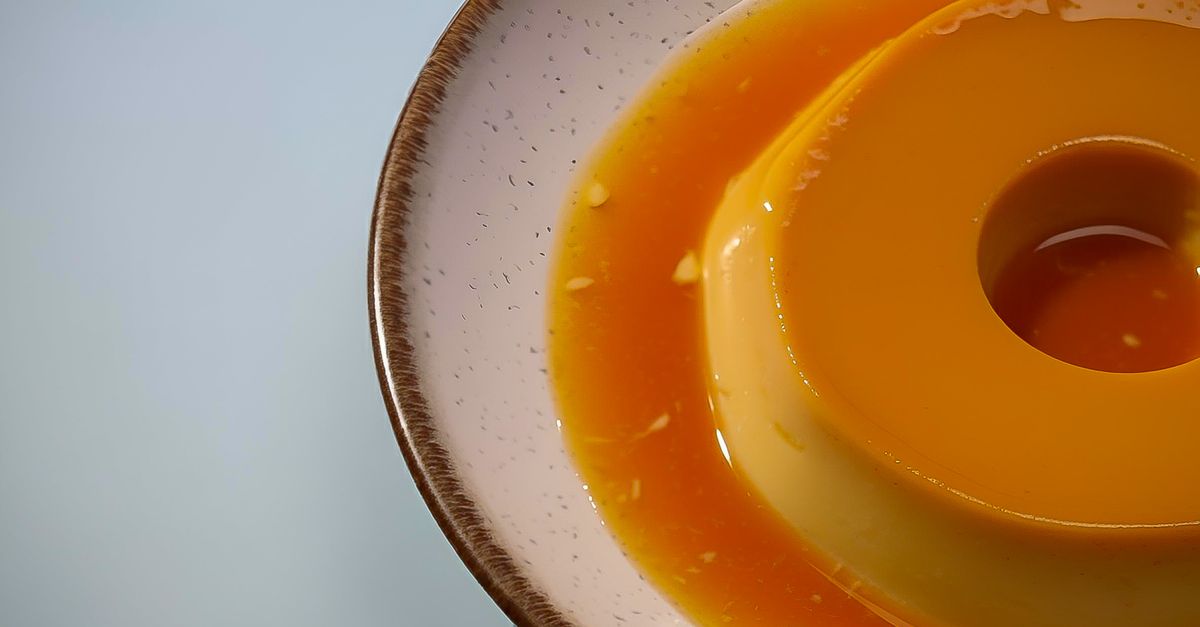
Why Your Homemade Sauces Separate (And The Pro Secrets for Silky Perfection Every Time)
There’s nothing quite as disheartening in the kitchen as carefully crafting a beautiful homemade sauce, only to watch it split into an unappetizing oily mess right before your eyes. You’ve followed the recipe, used fresh ingredients, stirred diligently, and yet, the moment it hits the plate or cools slightly, it curdles, separates, or becomes gritty. I’ve been there countless times, staring into a broken hollandaise or a grainy pesto, wondering where I went wrong. It feels like a culinary betrayal, especially when you’ve invested time and effort into making something truly special.
Most home cooks assume a split sauce is a sign of failure—either the recipe was bad, or their technique was flawed. While technique certainly plays a role, the deeper truth is that many common sauce-making approaches overlook fundamental principles of emulsion and ingredient interaction. It’s not just about ‘stirring constantly’ or ‘adding slowly.’ There are nuanced chemical and physical dynamics at play that, once understood, transform your sauce game from hit-or-miss to consistently silky perfection. The mistake I see most often is treating all sauces the same, or ignoring the delicate balance required for stable emulsions. What changed everything for me was understanding why these separations occur and implementing targeted strategies, rather than just hoping for the best.
Key Takeaways
- Temperature control is paramount; avoid rapid changes and ensure ingredients are at similar temperatures before combining.
- Introduce fats slowly and emulsify thoroughly, allowing each addition to fully incorporate before adding more.
- Select appropriate fats and emulsifiers, recognizing that some ingredients offer more stability than others.
- Understand ingredient acidity and salt content, as these can destabilize emulsions if not properly managed.
Temperature Control: The Silent Saboteur of Smooth Sauces
In my experience, the single biggest culprit behind split sauces, especially creamy ones like hollandaise, beurre blanc, or even some rich gravies, is improper temperature management. We often get too aggressive with heat, or we try to combine ingredients that are at wildly different temperatures. Imagine trying to mix ice-cold butter into a piping-hot reduction; it’s a recipe for disaster. The sudden shock causes the fat and water molecules to repel each other, breaking the delicate emulsion. Or, conversely, a sauce held over too-high heat will simply cook out the emulsifying agents, leaving you with a greasy separation.
What actually works is maintaining a consistent, gentle heat and bringing ingredients to similar temperatures before combining. For a classic hollandaise, for instance, the double boiler (bain-marie) is not just a suggestion; it’s essential for providing indirect, even heat. The goal is to warm the egg yolks (the primary emulsifier) gradually, without scrambling them. The melted butter should be warm, not scorching hot, when drizzled in. I’ve learned to feel the bottom of the bowl on the double boiler – if it’s too hot to touch comfortably for more than a second, it’s too hot for the sauce. This principle extends to other sauces too. If you’re incorporating cold cream into a hot pan sauce, temper it first by stirring in a spoonful of the hot sauce into the cream, then gradually adding the warmed cream back to the pan. This gentle approach prevents thermal shock and allows the ingredients to integrate harmoniously. I once ruined an entire batch of béchamel by adding cold milk directly to a hot roux; the lumps formed instantly, and no amount of whisking could salvage the texture. Now, I always warm my milk gently in a separate pan before adding it, ensuring a velvety smooth result every time.
The Art of Gradual Fat Introduction: Why ‘Slow and Steady’ Wins the Race
Another common misconception is that simply adding fat to a sauce is enough. While it’s true that fats are crucial for richness and texture, how you add them determines the stability of your emulsion. Dumping in a large quantity of oil or butter at once overwhelms the emulsifying agents (like egg yolks or mustard) and prevents them from properly encapsulating the fat molecules. This leads to an unstable mixture that is prone to splitting.
What actually works is a slow, steady, and thorough emulsification process. Think of it like building a microscopic shield around each fat droplet. For vinaigrettes, this means drizzling in oil in a thin stream while whisking continuously and vigorously. For mayonnaise, it’s a few drops at a time initially, building up to a slow stream once the emulsion starts to form. The key is to give the emulsifiers enough time and mechanical energy (whisking, blending) to break down the fat into tiny droplets and coat them evenly. In my kitchen, I’ve found that using a stand blender or immersion blender on a low setting for things like pesto or aioli creates a much more stable emulsion than hand-whisking, simply because it achieves finer dispersion of fat droplets. Don’t rush this step. If you think you’re adding fat slowly enough, go even slower, especially at the beginning. It feels tedious, but the payoff is a sauce that holds together beautifully for hours, not minutes. I used to be impatient, and my pesto would always separate into a pool of oil; now, by taking an extra minute to drizzle the olive oil in slowly, it stays perfectly bound and vibrant.
Choosing Your Emulsifiers Wisely: Beyond Just Eggs
Many classic sauces rely on strong emulsifiers like egg yolks, but limiting your understanding of emulsification to just eggs is a disservice to your culinary potential. Different ingredients offer varying degrees of emulsifying power and can impart unique flavors and textures. The mistake is often failing to leverage these natural emulsifiers or adding them at the wrong stage.
What actually works is understanding the role of various emulsifiers and how to incorporate them effectively. For example, mustard, often found in vinaigrettes, contains mucilage that helps bind oil and vinegar. Starches (like flour in a roux for béchamel or cornstarch in Asian sauces) create a thick matrix that suspends fat and water, preventing separation. Gelatin, from bones in a demi-glace, also acts as a stabilizer. Even finely pureed vegetables or legumes can contribute emulsifying properties due to their fiber and protein content. When making a pan sauce, I’ve learned to deglaze the pan with wine, reduce it, then stir in a teaspoon of Dijon mustard before incorporating butter or cream. This simple step vastly improves the sauce’s stability and adds a subtle depth of flavor without being overtly ‘mustardy.’ For a dairy-free creamy sauce, I might use cashews blended until smooth, as their natural fats and proteins create a rich, stable emulsion. Experimenting with these different emulsifiers, and understanding their strengths, opens up a world of possibilities for silky, stable sauces. A memorable Thanksgiving gravy disaster taught me that a well-cooked roux with proper flour-to-fat ratios is indispensable for preventing a watery, separated mess.
The Overlooked Impact of Acidity and Salt on Sauce Stability
Acidity and salt are flavor powerhouses, but they can also be silent saboteurs of sauce stability if not handled with care. A sudden influx of acid can curdle dairy-based sauces or break emulsions, while excessive salt can draw water out of ingredients, leading to separation. The common mistake is adding these ingredients at the wrong time or in disproportionate amounts, assuming they only affect taste.
What actually works is a strategic and balanced approach to acidity and salt. For sauces containing dairy, like cream sauces or those with milk, always add acids (lemon juice, vinegar, wine) after the dairy has been heated and stabilized, and ideally tempered. If you add acid too early, it will cause the milk proteins to coagulate, resulting in a grainy, split sauce. For emulsions, a little acid can actually help in the initial binding (like a touch of vinegar in mayonnaise), but too much can denature emulsifying proteins, causing the emulsion to break. Similarly, salt enhances flavor but can also disrupt the delicate balance of an emulsion if added too heavily at once. Season gradually, tasting as you go. For a tomato-based sauce with cream, I now always incorporate the cream first, bring it to a gentle simmer, and then add any acidic elements like white wine or a splash of vinegar, ensuring a smooth, cohesive result. It’s about respecting the chemical properties of your ingredients, not just their flavor profiles. I vividly recall a broken béchamel sauce where I added a squeeze of lemon too early, convinced it would brighten the flavor – it did, but at the cost of the entire batch. Learning to add acid only at the very end, or to temper it first, has saved countless sauces since then.
Frequently Asked Questions
Q: Why does my butter sauce (like beurre blanc or hollandaise) always split?
A: Most often, it’s due to temperature. Either the sauce got too hot (overcooked the egg yolks or butter solids), or the butter was added too cold or too quickly, causing thermal shock. Maintain gentle, consistent heat and ensure all ingredients are at similar, warm temperatures.
Q: Can I fix a split sauce?
A: Sometimes! For oil-based emulsions like mayonnaise or hollandaise, you can try starting a new emulsion with a fresh egg yolk and slowly whisking in the broken sauce. For cream sauces, sometimes a teaspoon of cornstarch slurry (cornstarch mixed with cold water) added at the end, while whisking gently over low heat, can help re-emulsify and thicken.
Q: Does rapid cooling or reheating affect sauce stability?
A: Absolutely. Rapid cooling can cause fats to solidify and separate from liquids. Reheating too quickly or aggressively can break emulsions that were stable when warm. Always cool sauces gradually, refrigerate promptly, and reheat gently over low heat, stirring constantly, or in a double boiler.
Q: What role do proteins play in sauce stability?
A: Proteins, especially from egg yolks or dairy, are excellent emulsifiers. They have both water-attracting and fat-attracting parts, allowing them to bridge the gap between oil and water, creating a stable emulsion. Overcooking or exposing them to high acid/salt concentrations can denature these proteins, leading to separation.
Q: Why does my homemade pesto separate so quickly?
A: Pesto often separates because the olive oil isn’t properly emulsified. The key is to add the oil in a very slow, thin stream while blending the other ingredients (basil, nuts, cheese, garlic) thoroughly. This allows the ingredients, particularly the cheese and nuts, to act as emulsifiers, binding the oil effectively. Using a good quality, mild olive oil also helps.
Conclusion
Achieving consistently silky, stable sauces in your home kitchen is less about magic and more about a mindful, scientific approach to temperature, emulsification, and ingredient interaction. It’s easy to get frustrated when a sauce splits, but each ‘failure’ is a valuable lesson in the delicate balance required. By understanding the critical role of gradual fat introduction, the power of varied emulsifiers beyond just egg yolks, and the often-overlooked impact of acidity and salt, you can elevate your sauce-making from guesswork to confident culinary artistry. The shift from simply following a recipe to understanding the why behind each step is what truly transforms your cooking. So, next time you embark on a sauce-making adventure, remember these pro secrets. Your taste buds, and your guests, will thank you for the smooth, cohesive results. Now, go forth and create some perfectly bound, utterly delicious sauces!
Written by Sarah Jenkins
Saving & Financial Planning
Sarah leveraged her freelance writing income to eliminate significant debt and now shares her strategies.
You Might Also Like

Why Most People Fail at Mastering Their New Air Conditioner (And The Strategic Approach That Actually Works for Real Comfort and Savings)
Struggling with your new AC? Discover why basic settings fall short and the strategic approach to achieve real comfort and energy savings.

Why Your Car Stereo Has No Bass (And What Actually Works for Deep, Punchy Sound)
Struggling with weak car bass? Discover why most setups fail and learn the pro strategies for deep, punchy sound that transforms your driving experience.
Why Your DIY Hydroponics Fails Most People (And What Actually Works for Bountiful Harvests)
Struggling with DIY hydroponics? Discover the hidden mistakes ruining your yields and the actionable strategies that lead to thriving, abundant harvests.