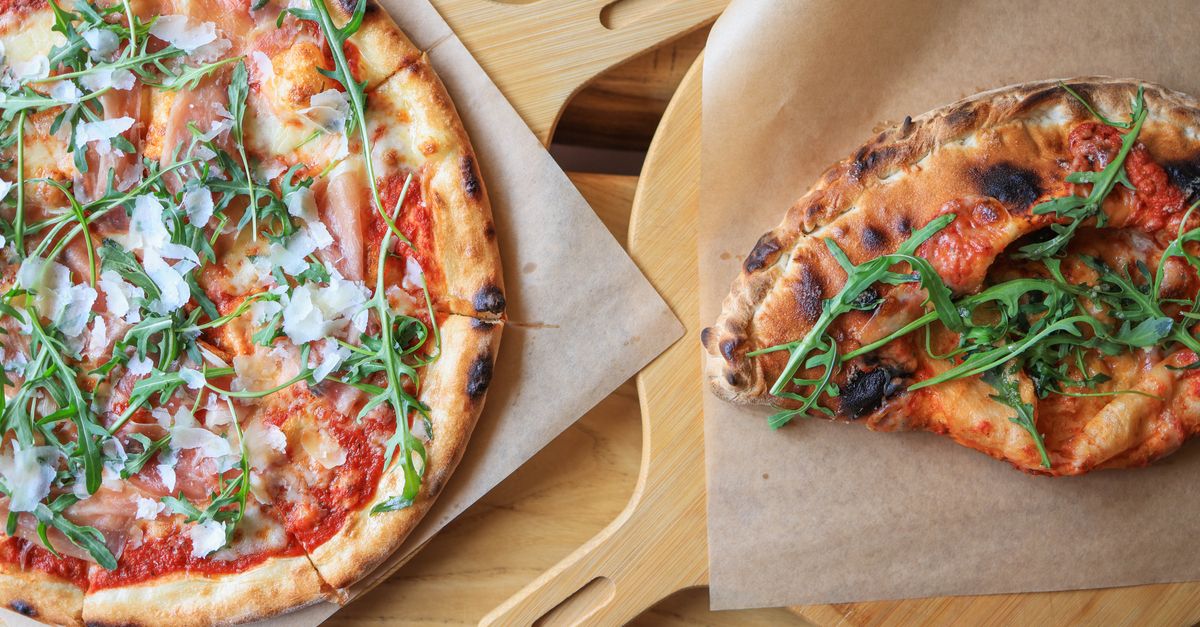
Why Your Homemade Pizza Crust Lacks Flavor (And The Umami Secrets That Changed Everything For Me)
You’ve spent the evening meticulously shaping your pizza dough, topping it with fresh ingredients, and watching it bake to a golden crisp. Yet, when you bite in, there’s a nagging feeling: the crust, while perfectly textured, just tastes… flat. It lacks that deep, complex flavor you crave from your favorite pizzeria, that savory, slightly tangy, almost meaty richness that elevates a simple pie into a culinary experience. I used to be there, endlessly frustrated by a bland canvas, until I started digging into what truly makes a pizza crust sing.
Most home bakers focus almost exclusively on texture – achieving that perfect crisp-chewy balance. And while texture is undeniably crucial, it’s only half the battle. The real secret to a mind-blowing pizza isn’t just in the rise or the crunch; it’s in cultivating umami within the dough itself. Without it, your crust is just a vehicle, not a star. In my experience, the biggest mistake most people make is rushing the process and underestimating the power of specific ingredients and techniques that coax out profound flavor. What changed everything for me wasn’t a fancy oven, but a deeper understanding of dough development and the art of coaxing out those elusive savory notes.
Key Takeaways
- Insufficient fermentation time is the primary culprit behind bland pizza crust, hindering deep flavor development.
- Incorporate ‘umami boosters’ like malt powder, old dough (pâte fermentée), or even a touch of nutritional yeast to add savory depth.
- Hydration levels significantly impact flavor; slightly wetter doughs develop better over longer fermentation.
- A two-stage fermentation, including a cold proof, builds complex flavors and improves crust structure.
The Fatal Flaw: Rushing Fermentation and Underestimating Time
The single biggest reason your pizza crust tastes bland is almost certainly insufficient fermentation time. I’ve seen it countless times – people eager to get a pizza on the table, following a recipe that promises a quick two-hour rise. While this might give you some rise, it starves your dough of the opportunity to develop truly complex flavors. Think of it like a fine wine or a slow-cooked stew; time is an ingredient, allowing enzymes to break down starches into simpler sugars, and wild yeasts and bacteria to produce aromatic compounds that contribute to that characteristic tangy, savory depth.
In my early pizza-making days, I was guilty of this. I’d proof my dough at room temperature for a few hours, see it double in size, and assume it was ready. The resulting pizzas were good, but never great. The shift happened when I embraced cold fermentation. This means preparing your dough, letting it sit at room temperature for an hour or two (known as the bulk fermentation), and then tucking it into the refrigerator for anywhere from 24 to 72 hours. The cold dramatically slows down the yeast activity, allowing beneficial lactic acid bacteria to flourish. These bacteria produce organic acids that contribute to both flavor and improved dough extensibility (making it easier to stretch without tearing).
For example, I’ve found that a dough cold-proofed for 48 hours tastes significantly better than a 24-hour dough, and a 72-hour dough often has an even more pronounced depth of flavor, especially when using a slightly higher hydration. The crust develops a subtle tang and a rich, nutty aroma that simply doesn’t exist in quickly-proofed doughs. You can literally smell the difference. This commitment to time is the foundation of flavor, and it’s a step I now consider non-negotiable for truly exceptional pizza.
The Umami Arsenal: Beyond Just Flour and Water
While time is paramount, you can actively boost the umami in your dough with specific additions. Most recipes only call for flour, water, salt, and yeast. These are essential, but they don’t always provide the full spectrum of flavor. I learned this when I started experimenting with ingredients used in professional bakeries to enhance bread flavor.
My go-to umami boosters now include:
- Diastatic Malt Powder: This is a game-changer. Just a small amount (around 0.5-1% of the total flour weight) provides enzymes that convert starches into sugars, feeding the yeast, promoting a beautiful crust color, and, crucially, adding a subtle malty sweetness and depth of flavor. It’s like a secret ingredient that wakes up the dough. I add it directly with the dry ingredients.
- Old Dough (Pâte Fermentée): This is a small portion of fermented dough (from a previous batch or specifically made for this purpose) that gets incorporated into your new dough. It’s essentially a sourdough starter’s less demanding cousin. It brings a mature flavor profile, introducing beneficial bacteria and yeasts that kickstart the new fermentation with a head start. Think of it as a flavor inoculation. If you bake regularly, saving a small piece of dough from one batch to the next is an effortless way to deepen flavor over time.
- Nutritional Yeast: While not traditional, a tiny sprinkle (about a teaspoon per 500g of flour) can impart a cheesy, savory note, especially if you’re looking for a quick flavor boost without extended fermentation. I’ve used this in a pinch when I didn’t have time for a full cold proof, and it definitely adds something more than just blandness.
These additions aren’t just about making the dough taste different; they actively contribute to the complex chemical reactions that produce a more robust, savory, and nuanced crust. They’re part of creating that layered flavor experience that separates good pizza from truly memorable pizza.
Hydration’s Hidden Role: A Wetter Dough, a Richer Taste
Many home pizza recipes err on the side of lower hydration, aiming for an easier-to-handle dough. While a stiff dough is less sticky, it also limits flavor development. In my experience, a higher hydration dough (typically 65-70% water to flour ratio) allows for a more active fermentation and better enzyme activity, leading to a more flavorful crust.
Here’s why:
- More Room for Activity: More water provides a more hospitable environment for yeast and bacteria to move and feed, leading to a more vigorous and complete fermentation.
- Enhanced Sugar Development: The increased water content aids the enzymatic breakdown of complex starches into simpler sugars over time. These sugars are what give your crust a deeper color and contribute to a more profound, slightly sweet, and savory taste profile when caramelized during baking.
- Improved Crumb Structure: A higher hydration dough tends to produce a more open, airy crumb with larger, irregular holes, which some argue also enhances the perception of flavor by creating more surface area.
It took me a while to get comfortable working with a stickier, higher-hydration dough. It requires a bit more practice and gentle handling, often using techniques like stretch and folds rather than aggressive kneading. But the flavor reward is immense. Once you get the hang of it, you’ll find the dough easier to stretch thinly, leading to a lighter, more delicate, and crucially, more flavorful crust that truly complements your toppings.
The Power of Two-Stage Fermentation: Building Flavor in Layers
If you’re still relying on a single, short room-temperature proof, you’re missing out on a crucial flavor-building technique: two-stage fermentation. This isn’t just about convenience; it’s about purposefully manipulating temperature to unlock different flavor compounds.
My perfected process involves:
- Warm Bulk Fermentation (2-3 hours): After mixing, I let the dough rise at room temperature (around 70-75°F or 21-24°C) for 2-3 hours, performing a few sets of stretch and folds during this time. This initial warm rise encourages primary yeast activity, building some initial volume and strength.
- Cold Proof (24-72 hours): After the bulk fermentation, I divide the dough into individual balls, gently shape them, and place them in lightly oiled, airtight containers in the refrigerator. This is where the magic happens. The cold dramatically slows the yeast, but allows the lactic acid bacteria to thrive, producing a rich array of organic acids (lactic, acetic) that are responsible for the complex, tangy notes of a great pizza crust. This slow, steady development builds character that you simply cannot achieve in a few hours.
I’ve found that this layered approach creates a depth of flavor that a single, warm proof just can’t match. The crust develops an almost sourdough-like complexity, with a subtle tang and a richness that makes it irresistible even on its own. It’s a testament to the idea that sometimes, the best things in life (and in baking) truly do take time.
Beyond the Dough: Baking for Maximum Flavor Expression
Even with a perfectly fermented, umami-rich dough, you can still sabotage your flavor development if you don’t bake it correctly. The goal isn’t just to cook the dough; it’s to trigger the Maillard reaction and caramelization for maximum flavor expression.
- High Heat is Non-Negotiable: This is probably the most common advice, but it bears repeating. A home oven usually maxes out around 500-550°F (260-290°C). Preheat your oven with a pizza stone or steel for at least an hour, preferably 90 minutes. This creates an incredibly hot surface that sears the bottom of the crust, preventing sogginess and initiating rapid browning.
- The Power of the Pizza Steel: While a stone works, a pizza steel (thicker and more conductive) transfers heat even more efficiently, resulting in a quicker, crisper crust and more pronounced flavor. It’s an investment that pays dividends in every single pizza you make.
- Don’t Overload Your Pizza: A common mistake I used to make was piling on too many toppings. This lowers the overall temperature, steams the crust instead of baking it, and prevents proper browning and flavor development. A sparse hand allows the crust to shine, enabling those Maillard reactions to occur and creating a harmonious balance between crust and toppings.
When your pizza bakes quickly at high heat, the sugars developed during fermentation rapidly caramelize, contributing to a deep, golden-brown crust with incredible flavor. The Maillard reaction, a chemical reaction between amino acids and reducing sugars, creates hundreds of new flavor compounds, which is why a well-baked crust is so much more appealing than a pale, underbaked one. It’s the grand finale where all your careful dough work comes to fruition.
Frequently Asked Questions
Q: Can I use instant yeast for a flavorful pizza crust, or do I need sourdough?
A: Yes, you can absolutely achieve a flavorful pizza crust with instant yeast! While sourdough adds a distinct tang, the primary drivers of flavor are extended cold fermentation and proper ingredient ratios (especially hydration and salt), which instant yeast can facilitate just as well. Incorporating a small amount of diastatic malt powder or old dough will further enhance flavor even without sourdough.
Q: My dough is too sticky at higher hydration. How do I handle it?
A: Sticky doughs require different handling. Instead of heavy flouring, use wet hands or a light touch of olive oil on your hands and work surface. Focus on stretch and folds rather than kneading. After mixing, let the dough rest for 15-20 minutes, then gently stretch one side up and fold it over the center. Rotate the bowl and repeat 3-4 times. Repeat this process every 30 minutes for the first 1.5-2 hours of bulk fermentation. This builds gluten strength without adding more flour, making it more manageable after cold proofing.
Q: Is there a way to add flavor if I don’t have time for a 24-hour cold proof?
A: While a long cold proof is ideal, you can still boost flavor in shorter fermentations. Increase the initial room temperature bulk fermentation to 4-6 hours, ensuring the dough at least doubles in size. Adding diastatic malt powder (0.5-1% of flour weight) or a pinch of nutritional yeast to the dough can introduce savory notes. Using warm (not hot) water for mixing can also accelerate initial fermentation slightly, but be careful not to overproof.
Q: My pizza crust is still pale, even with high heat. What am I doing wrong?
A: A pale crust usually indicates insufficient sugar development or inadequate heat transfer. Ensure your oven is preheated with a pizza stone or steel for at least 60-90 minutes at its highest temperature (500-550°F/260-290°C). If using malt powder, ensure it’s diastatic, as non-diastatic malt won’t provide the enzymes to break down starches into browning sugars. Also, avoid overloading toppings, as this can lower the baking temperature and steam the crust instead of browning it.
Q: Can I freeze leftover dough? Will it affect flavor?
A: Yes, you can freeze dough balls after their cold proof. Wrap each tightly in plastic wrap, then place in a freezer-safe bag. Thaw overnight in the refrigerator, then let come to room temperature for 1-2 hours before stretching. Freezing can slightly inhibit yeast activity upon thawing, which might result in a slightly less robust rise or nuanced flavor compared to fresh dough, but it’s a perfectly acceptable option for convenience.
In my journey to master homemade pizza, I’ve learned that truly flavorful crust is not a happy accident; it’s the result of intentional choices. It’s about respecting the dough, giving it the time it needs, and understanding the subtle science behind flavor development. Embrace the longer fermentation, experiment with umami boosters, and prioritize baking at high heat, and you’ll find your homemade pizza crust transforming from a mere base into a deeply satisfying, flavorful foundation for your culinary creations. It’s a journey that’s immensely rewarding, both in the process and, especially, in the delicious results. Start by committing to a longer cold proof this week – I promise you won’t regret it.
Written by Sarah Jenkins
Saving & Financial Planning
Sarah leveraged her freelance writing income to eliminate significant debt and now shares her strategies.
You Might Also Like

Why Most People Fail at Mastering Their New Air Conditioner (And The Strategic Approach That Actually Works for Real Comfort and Savings)
Struggling with your new AC? Discover why basic settings fall short and the strategic approach to achieve real comfort and energy savings.

Why Your Car Stereo Has No Bass (And What Actually Works for Deep, Punchy Sound)
Struggling with weak car bass? Discover why most setups fail and learn the pro strategies for deep, punchy sound that transforms your driving experience.
Why Your DIY Hydroponics Fails Most People (And What Actually Works for Bountiful Harvests)
Struggling with DIY hydroponics? Discover the hidden mistakes ruining your yields and the actionable strategies that lead to thriving, abundant harvests.