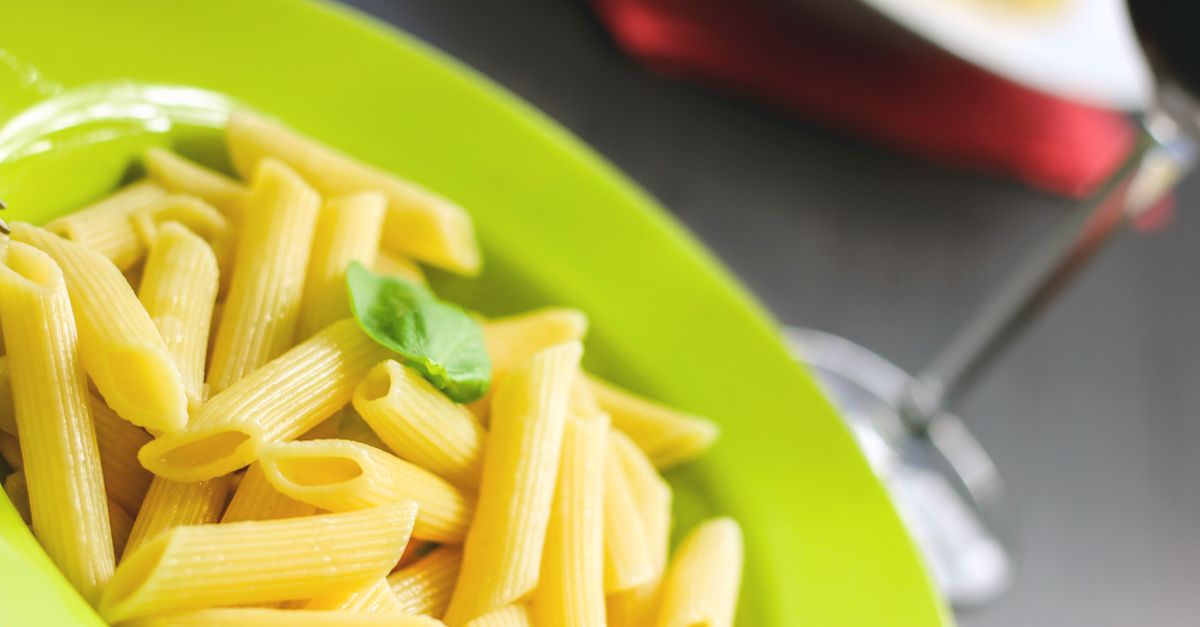
Why Your Homemade Pasta Is Tough (And The Simple Fixes For Silky, Tender Results Every Time)
You have spent the afternoon kneading, rolling, and cutting beautiful strands of homemade pasta, picturing that perfect, delicate bite. But when it hits the plate, it has the texture of a rubber band —tough, chewy, and utterly disappointing. You followed the recipe to the letter, so what went wrong? In my experience, the quest for perfect homemade pasta is often sabotaged by a few subtle, yet critical, mistakes that most recipes gloss over.
It isn t’s just about flour and eggs . The nuances of hydration, kneading technique, resting times, and even the cooking process can transform your pasta from a culinary chore to an absolute delight. I used to struggle with pasta that was either too fragile or too resistant, but after countless batches and learning from some Italian nonnas ’ quiet wisdom, I discovered the simple shifts that make all the difference. Stop accepting mediocre pasta. Let ‘s get you to silky, tender perfection.
Key Takeaways
- Achieve optimal dough hydration by prioritizing visual and tactile cues over strict measurements.
- Develop proper gluten structure through gentle, consistent kneading and sufficient resting periods.
- Avoid common rolling mistakes by using minimal flour and gradually thinning the dough.
- Cook fresh pasta perfectly by using ample salted water and a precise, short cooking time.
Over-Reliance on Exact Flour-to-Egg Ratios (And Why Hydration is King)
When I first started making pasta, I was obsessed with getting the flour-to-egg ratio precisely right. If the recipe said 2 cups of flour to 3 eggs, I measured meticulously. The problem? Eggs vary significantly in size and moisture content. Flour absorbs liquid differently based on humidity, brand, and type. Sticking rigidly to a recipe’s exact measurements without accounting for these variables is the number one reason homemade pasta ends up tough.
The mistake I see most often is people adding too much flour because the dough feels sticky at first. This instantly leads to a dry, dense dough that’s a nightmare to knead and will result in tough pasta. What changed everything for me was learning to trust my senses over the measuring cup. Think of the recipe as a guideline, not a law.
What Actually Works: Begin with slightly less flour than the recipe suggests, especially if you ‘re working with larger eggs. Gradually add flour, a teaspoon at a time, until the dough reaches the right consistency. It should be firm, but still pliable, with a slight tackiness. When you press your finger into it, it should bounce back slowly, leaving a faint indentation. It should not stick to your hands aggressively, nor should it feel crumbly or dry. This “just right” hydration level is crucial for developing silky, tender pasta that evenly absorbs sauce.
Impatience with Kneading and Resting (The Gluten Development Secret)
I’ll admit it: I used to rush the kneading process. My arms would tire, and I ‘d figure, “Good enough!” Then, I ‘d skip the resting period entirely, convinced it was an unnecessary step. This, friends, is a recipe for tough pasta. Proper kneading develops the gluten network, which gives pasta its structure and chew. Insufficient kneading means a weak, underdeveloped gluten network. But over-kneading a dry dough can also lead to toughness.
The real secret, however, is the rest. Skipping the rest means the gluten strands, tightened by kneading, don’t have time to relax. Imagine trying to stretch a tense muscle—it’s difficult and painful. The same applies to dough. A rested dough is a relaxed dough, making it far easier to roll thinly and resulting in a more tender final product. It also allows the flour to fully hydrate, contributing to a superior texture.
What Actually Works: Knead your dough for at least 8-10 minutes by hand (or 5-7 minutes with a stand mixer and dough hook). The dough should transform from shaggy to smooth, elastic, and springy. To test, press a finger into the dough; if it springs back quickly, it ‘s ready. Then, wrap the dough tightly in plastic wrap and let it rest at room temperature for a minimum of 30 minutes, ideally 1 hour. For a truly superior result, I often let it rest in the refrigerator for a few hours, or even overnight. This rest is non-negotiable for tender, pliable pasta.
Drowning Your Dough in Flour While Rolling (A Sticky Situation)
When you ‘re trying to roll out pasta, especially by hand or with a manual pasta machine, it’s natural to reach for copious amounts of flour to prevent sticking. After all, who wants their beautiful pasta tearing or clinging to the machine? However, this seemingly helpful habit is one of the most common reasons pasta turns out tough and gummy.
Each time you sprinkle on extra flour, you’re incorporating dry flour into your perfectly hydrated dough. This effectively dries out the surface, making the rolling more difficult, leading to micro-tears, and ultimately, a denser, harder pasta. It also makes it harder for sauces to cling, as the surface of the pasta becomes excessively dusty. I learned this the hard way with many frustrating, stiff batches.
What Actually Works: Use minimal flour during the rolling process. Your dough should be just slightly tacky enough to still be elastic, not sticky. If it’s truly sticking, it usually means your initial hydration was off (too wet) or you didn’t knead it enough. When rolling with a pasta machine, I dust the dough very lightly with flour only if it feels like it’s about to stick, then brush off any excess before feeding it through the rollers. Gradual thinning is also key: start with the widest setting and progressively work your way down to your desired thickness, usually the second or third to last setting for most shapes.
Boiling in Insufficiently Salted Water (And Why It Matters More Than You Think)
This might seem like a minor detail, but it’s a huge one. Many people skimp on salt in their pasta water or don’t use enough water in general. The result? Bland, often sticky, and surprisingly, tougher pasta. Think of your pasta water as a highly dilute brine. The salt doesn’t just flavor the pasta; it also helps prevent the pasta from becoming gummy by strengthening the starch structure and reducing stickiness.
Cooking pasta in too little water, on the other hand, lowers the water temperature too much when the pasta is added, leading to uneven cooking. It also increases the starch concentration in the water, causing the pasta to clump and become gooey, which can mimic a tough texture even if the gluten development was perfect.
What Actually Works: Use a large pot with plenty of water — at least 4-6 quarts (4-6 liters) for every pound (500g) of fresh pasta. This ensures the water temperature doesn’t drop too drastically and gives the pasta room to move. And for the love of all that is delicious, salt your water liberally. It should taste like the ocean, but not undrinkable. A good rule of thumb is 1-2 tablespoons of kosher salt per gallon of water. Bring it to a rolling boil before adding your fresh pasta, then cook it al dente (to the bite). Fresh pasta cooks very quickly, usually 1-3 minutes. Taste frequently!
Neglecting the Sauce Marriage (The Final Touch for Tenderness)
Many home cooks treat pasta and sauce as two separate entities that only meet on the plate. They’ll drain the pasta completely, often rinsing it, and then toss it with a sauce that has been waiting patiently in another pan. This is a mistake that robs your pasta of its final chance at tenderness and flavor integration.
Rinsing pasta washes away the precious surface starches that help sauce cling. Adding dry pasta to a cold sauce means the flavors don’t meld, and the pasta doesn’t get that final infusion of moisture and richness. The result can be disconnected, less tender pasta sitting atop a sauce, rather than being one with it.
What Actually Works: Always reserve at least 1 cup of your pasta cooking water before draining. This starchy, salty liquid is culinary gold. Just before the pasta is perfectly al dente, transfer it directly from the boiling water to your pan with the hot sauce. Add a splash or two of the reserved pasta water and toss vigorously over medium heat for 1-2 minutes. The emulsification that occurs as the starch in the pasta water combines with the fat in your sauce creates a glossy, cohesive coating that clings beautifully to every strand. This final toss not only makes your dish more flavorful but also ensures your pasta achieves its ultimate tender, luxurious texture as it finishes cooking within the embrace of the sauce.
Frequently Asked Questions
Q: My pasta dough is too sticky. Should I just add more flour?
A: Not immediately. First, try kneading it for a few more minutes. Often, dough starts sticky but becomes less so as gluten develops. If it’s still excessively sticky after 5 minutes of kneading, add flour a tiny bit at a time (half a teaspoon), kneading it in fully before adding more. Over-flouring early leads to tough pasta.
Q: Can I use all-purpose flour for homemade pasta?
A: While 00 flour is traditional for its fine texture, all-purpose flour works perfectly well for delicious homemade pasta. The key is to adjust hydration as AP flour can absorb liquids differently. Expect a slightly chewier texture, but not necessarily tough if you follow the other steps.
Q: How do I know if my pasta is kneaded enough?
A: A well-kneaded dough should be smooth, elastic, and springy. When you press your thumb into it, the indentation should slowly fill back in. It should also pass the “windowpane test”: if you can stretch a small piece of dough thinly enough to see light through it without tearing, the gluten is well-developed.
Q: What if I don’t have a pasta machine?
A: No problem! You can roll pasta by hand using a long, heavy rolling pin. The goal is to get it as thin as possible, almost translucent. It requires a bit more effort and a lightly floured surface, but the results can be just as delicious.
Q: Why did my fresh pasta turn mushy, not tough?
A: Mushy pasta is usually a sign of overcooking. Fresh pasta cooks much faster than dried pasta, often in 1-3 minutes. Ensure your water is at a rolling boil, add pasta, and taste a piece every 30 seconds or so after the first minute until it’s al dente.
Conclusion
Making truly tender, silky homemade pasta isn’t about magical ingredients or secret techniques; it’s about understanding the subtle science behind the process and paying attention to your dough. By prioritizing proper hydration over rigid measurements, giving your dough the gift of a good knead and a long rest, using flour sparingly during rolling, salting your cooking water liberally, and finally, marrying your pasta with its sauce, you ‘ll transform your pasta-making endeavors. No more rubbery disappointment – just pure, delicate, and utterly satisfying strands every single time. Now, go forth and pasta perfection awaits! Your next step is to pick your favorite simple sauce and experience the difference these techniques make.
Written by Sarah Jenkins
Saving & Financial Planning
Sarah leveraged her freelance writing income to eliminate significant debt and now shares her strategies.
You Might Also Like

Why Most People Fail at Mastering Their New Air Conditioner (And The Strategic Approach That Actually Works for Real Comfort and Savings)
Struggling with your new AC? Discover why basic settings fall short and the strategic approach to achieve real comfort and energy savings.

Why Your Car Stereo Has No Bass (And What Actually Works for Deep, Punchy Sound)
Struggling with weak car bass? Discover why most setups fail and learn the pro strategies for deep, punchy sound that transforms your driving experience.
Why Your DIY Hydroponics Fails Most People (And What Actually Works for Bountiful Harvests)
Struggling with DIY hydroponics? Discover the hidden mistakes ruining your yields and the actionable strategies that lead to thriving, abundant harvests.